Free Watermelon Facts and Coloring Pages for Kids - Printable PDF
Why Kids Love Learning About Watermelons
Watermelons are the ultimate summer food - enormous, juicy, and bursting with color when you slice them open. For young children, watermelon facts and coloring pages for kids turn this giant fruit into an exciting learning adventure. The dramatic reveal of bright red flesh and black seeds hidden inside a green striped rind makes watermelons endlessly fascinating. Every watermelon slice is like opening a surprise present, and that sense of discovery is exactly what fuels curious young minds.
Food education matters deeply in the early years. When children color, trace, and play with food concepts before they ever sit down at the table, they build curiosity instead of fear. Watermelons are naturally fun - they are huge, they are messy, and eating them is practically a sport at summer picnics. An activity pack takes that natural excitement and channels it into genuine learning about food, nature, and healthy eating.
Fun Watermelon Facts Every Kid Should Know
Watermelons are full of surprises that even most grown-ups do not know. These watermelon facts and coloring pages for kids reveal the amazing science behind this beloved summer fruit. Here are four fun watermelon facts:
- Watermelons are 92% water - which is why they are so refreshing on a hot day. The name "watermelon" is not just cute; it is scientifically accurate.
- Watermelons are both a fruit and a vegetable - they belong to the gourd family alongside pumpkins, cucumbers, and squash. Their botanical name is Citrullus lanatus.
- The world's heaviest watermelon weighed over 350 pounds - as much as a full-grown reindeer. Most watermelons, thankfully, are a much more manageable size for family picnics.
- Every part of a watermelon is edible - including the rind and the seeds. In many cultures, pickled watermelon rind is a popular snack, and roasted watermelon seeds are eaten just like sunflower seeds.
What's Inside This Free Watermelon Printable Pack
This free downloadable activity set includes five printable pages, each designed to teach children about watermelons in a different way. Watermelon facts and coloring pages for kids work best when they engage multiple senses and learning styles. Every page works as a standalone activity but together creates a complete watermelon exploration experience.
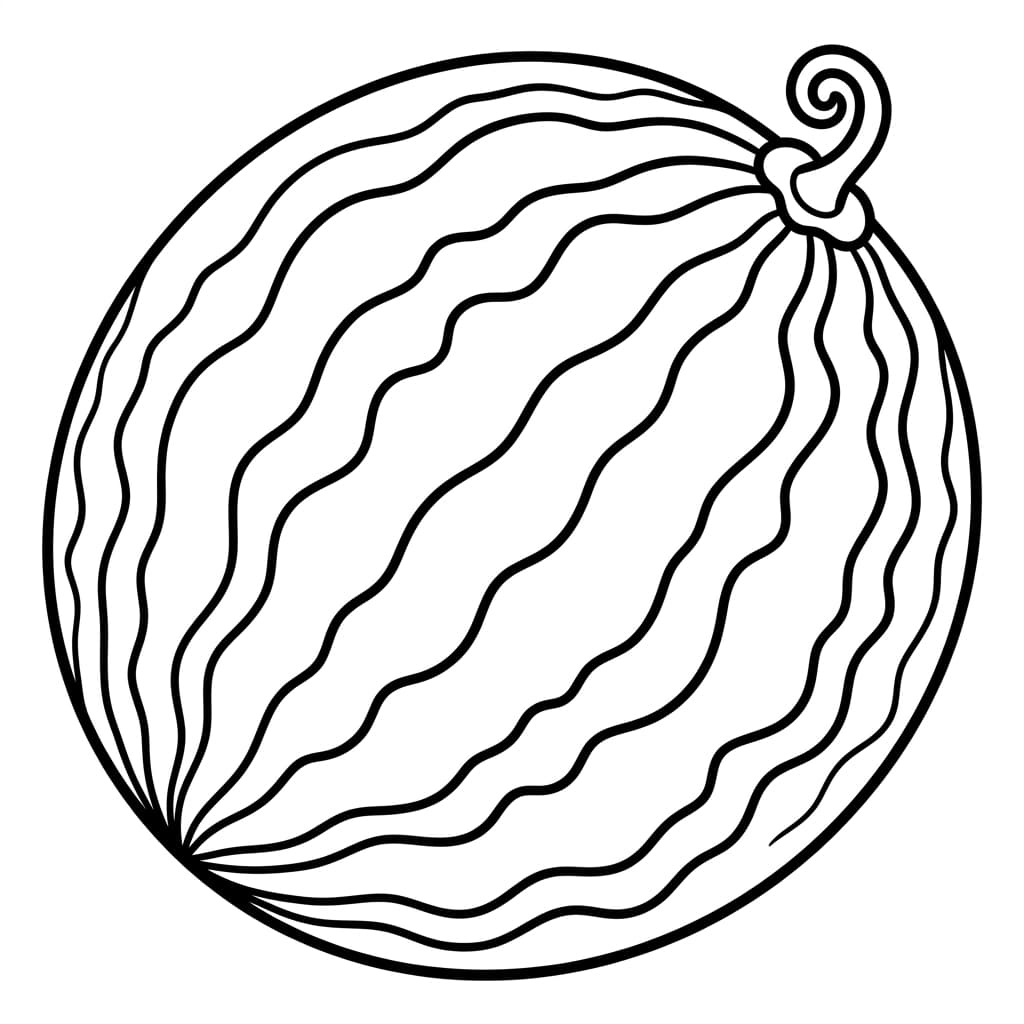
- Page 1 - Meet the Watermelon: A big, bold close-up of a whole watermelon with its oval shape and striped rind patterns. Your child can color the stripes any way they like, building visual recognition and fine motor skills.
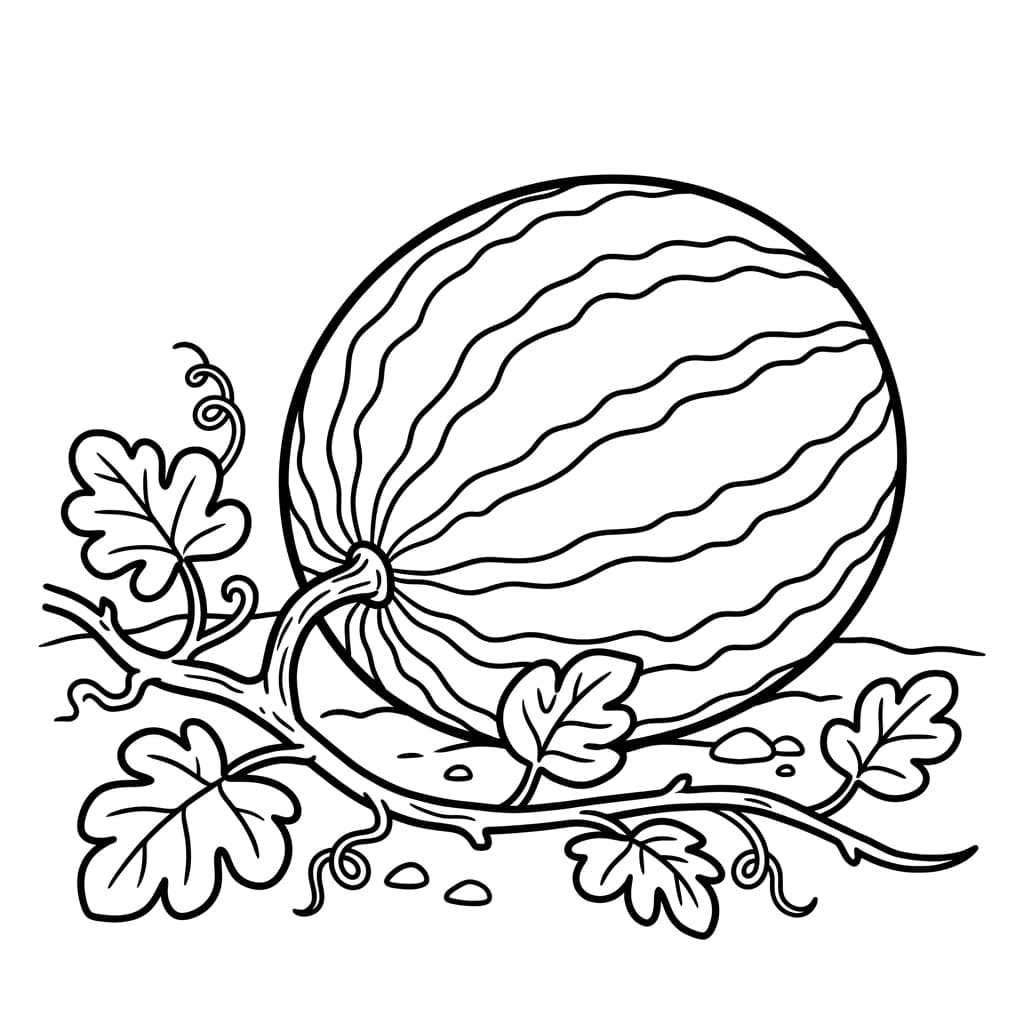
- Page 2 - Where Watermelons Come From: A watermelon growing on a vine on the ground with a few simple leaves. This page introduces the idea that watermelons grow sprawling on the earth in warm sunny fields.
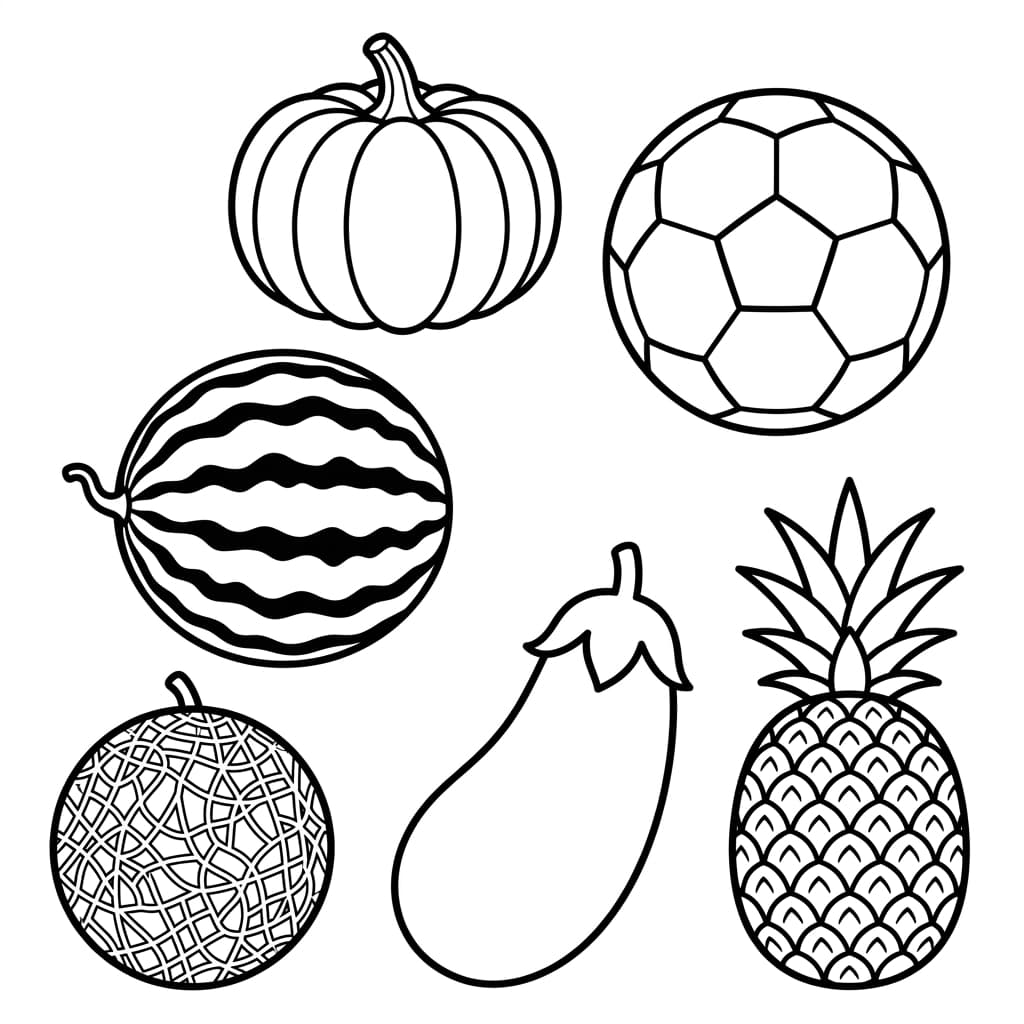
- Page 3 - Spot the Watermelon: A find-and-color activity where children pick out the watermelon from among similar large round items like a pumpkin, cantaloupe, and soccer ball. Only the watermelon gets colored.
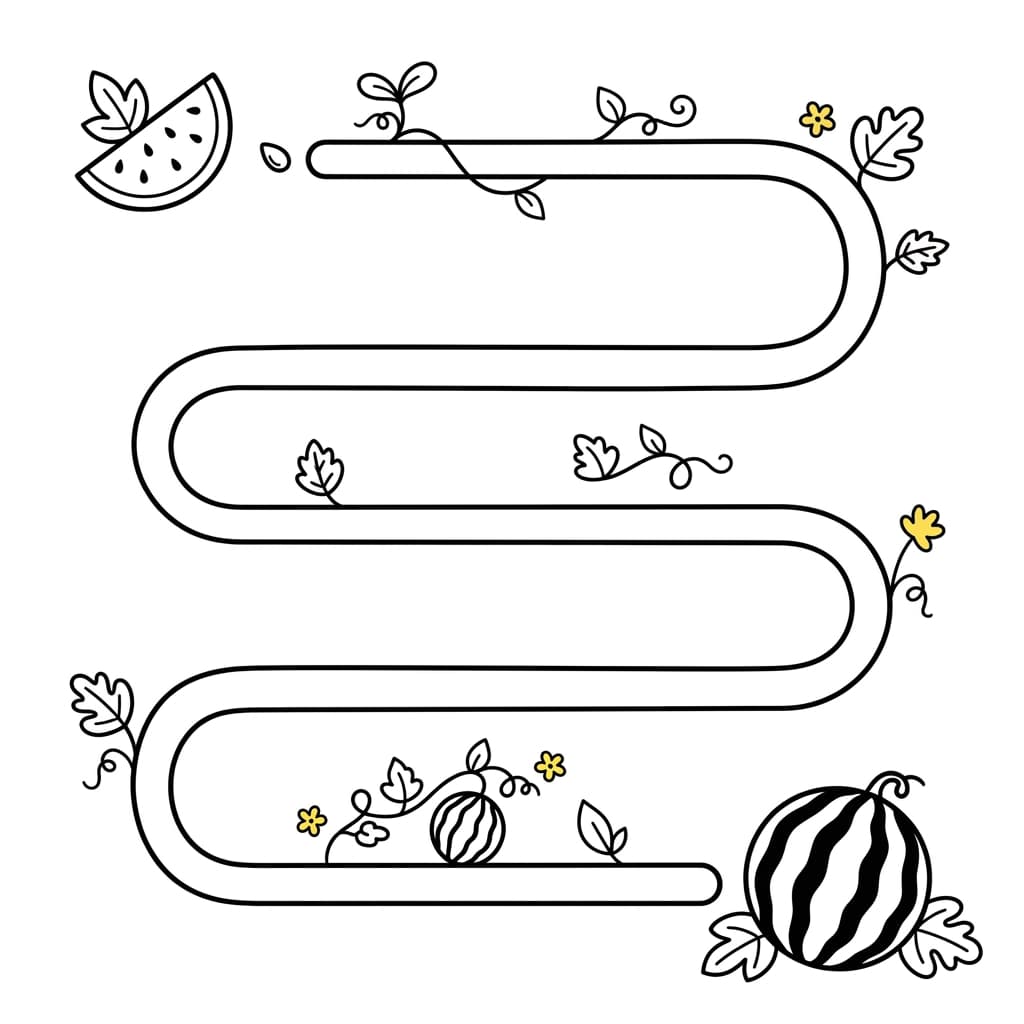
- Page 4 - Watermelon Maze: A simple path-tracing maze from a tiny seed to a giant watermelon. With just a few gentle turns, it builds pencil control and problem-solving skills for small hands.
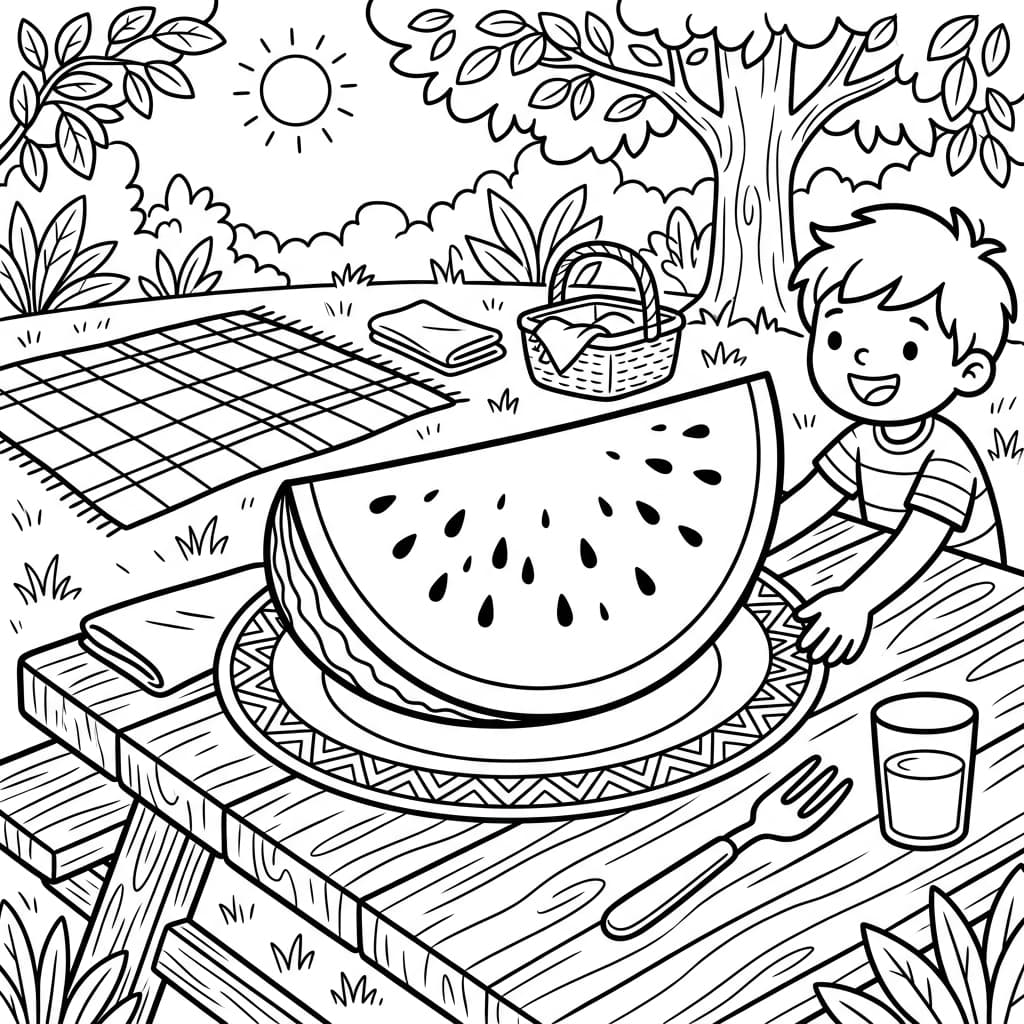
- Page 5 - Enjoy Your Watermelon: A watermelon slice on a plate at a picnic setting. This page normalizes watermelons as a friendly, fun food and sets positive associations around shared meals.
How Food Activities Help Picky Eaters Try New Things
If you have ever watched a child refuse a food they have never even tasted, you are not alone. Food neophobia - the fear of new foods - is a completely normal developmental phase that peaks between ages 2 and 6. The good news is that watermelon facts and coloring pages for kids and similar food-based activities are one of the most effective tools parents and teachers have for working through it.
Children need repeated, pressure-free exposure to a food before they feel safe enough to taste it. Coloring a watermelon, tracing a path to a watermelon, and spotting a watermelon among other objects all count as positive exposures. The summer excitement around watermelon makes it an especially friendly entry point for food exploration.
"Research shows that children who engage in sensory food play - including coloring, touching, and learning about foods - are significantly more willing to taste unfamiliar foods. Repeated, pressure-free exposure builds familiarity, and familiarity builds bravery at the table."
5 Ways to Use This Watermelon Printable at Home
These watermelon facts and coloring pages for kids are designed to be flexible and easy to fit into your summer routine:
- Pair it with snack time - slice up real watermelon and serve it alongside the coloring activity. The connection between the paper watermelon and the juicy real one is pure magic.
- Make it a seed-counting game - after coloring, slice a real watermelon and count the seeds together, connecting the activity to real food exploration.
- Create a food journal page - add a simple "watermelon taste test" section to document this summer food adventure.
- Use it in the classroom - perfect for summer themes, nutrition units, or letter W week. The maze and spot-the-watermelon pages work well for independent center time.
- Build a collection - collect printable packs for different fruits and create a "Fruit Explorer" book that celebrates each new food discovery.
Download Your Free Watermelon Facts and Coloring Pages
Ready to help your little one discover the wonderful world of watermelons? Watermelon facts and coloring pages for kids from GusGut are available as a single PDF download with all five pages ready to print. Just click download, print, and watch the watermelon exploration begin.