Protein for Picky Eaters: Free Printable Coloring Pages



Why Protein Is a Daily Challenge for Picky Eaters
Protein for picky eaters is one of the most common concerns parents raise, and it is easy to understand why. Protein is essential for muscle growth, brain development, immune function, and sustained energy - yet many of the richest protein sources are precisely the foods children are most likely to reject. Fish, eggs, chicken, beef, and dairy-based foods like cottage cheese all have distinctive textures and smells that can feel overwhelming to a child with a sensitive palate.
Nutritionists often emphasize that protein variety matters as much as total intake. Different protein sources bring different micronutrients - fish brings omega-3 fatty acids, beef brings iron and zinc, eggs bring choline, which supports brain development. A child eating only one or two protein foods may be meeting their daily quota while missing a broader nutritional spectrum. Building early acceptance of a wider range of protein foods gives children a foundation that serves them well into adulthood.
What research consistently shows is that forcing children to eat does not work - but gentle, repeated, low-pressure exposure to new foods absolutely does. That is exactly what these five printable coloring pages are designed to support.
Meet the 5 Protein Heroes in This Free Coloring Pack
This free pack features five of the most nutritious and versatile protein foods for kids, each illustrated as a friendly cartoon character your child can color any way they like. The goal is simple: give your child positive, pressure-free time with foods that might otherwise feel unfamiliar or intimidating.
- Fish - A big, cheerful fish waves hello from the page. Fish is one of the most nutrient-dense proteins available, rich in omega-3 fatty acids that support brain health, concentration, and mood regulation in growing children.
- Eggs - Two friendly egg characters stand side by side. Eggs are one of the most complete protein sources in existence, containing all nine essential amino acids along with choline - critical for brain development in young children.
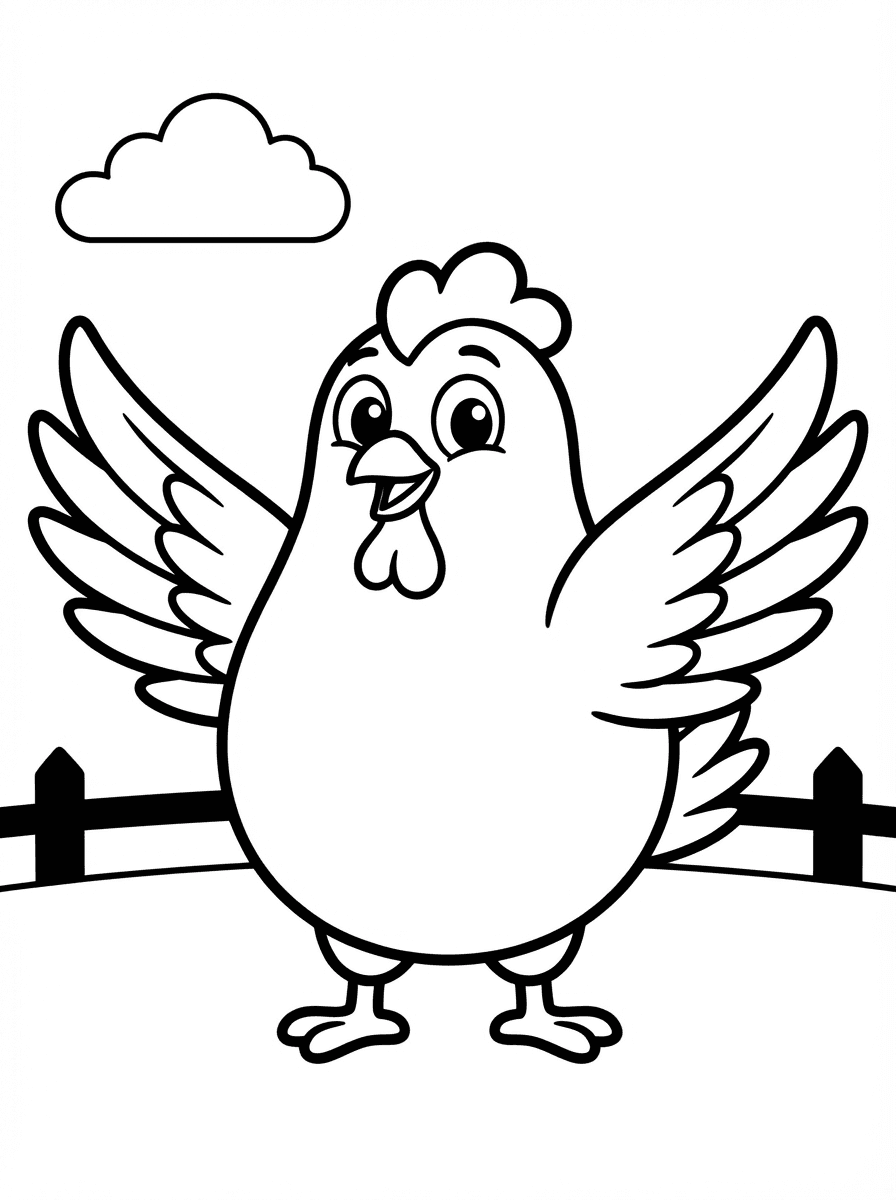
- Chicken - A happy chicken spreads its wings wide. Chicken is a lean, mild-flavored protein that suits even the most cautious eaters. It works equally well as strips, nuggets, meatballs, or shredded into familiar sauces.
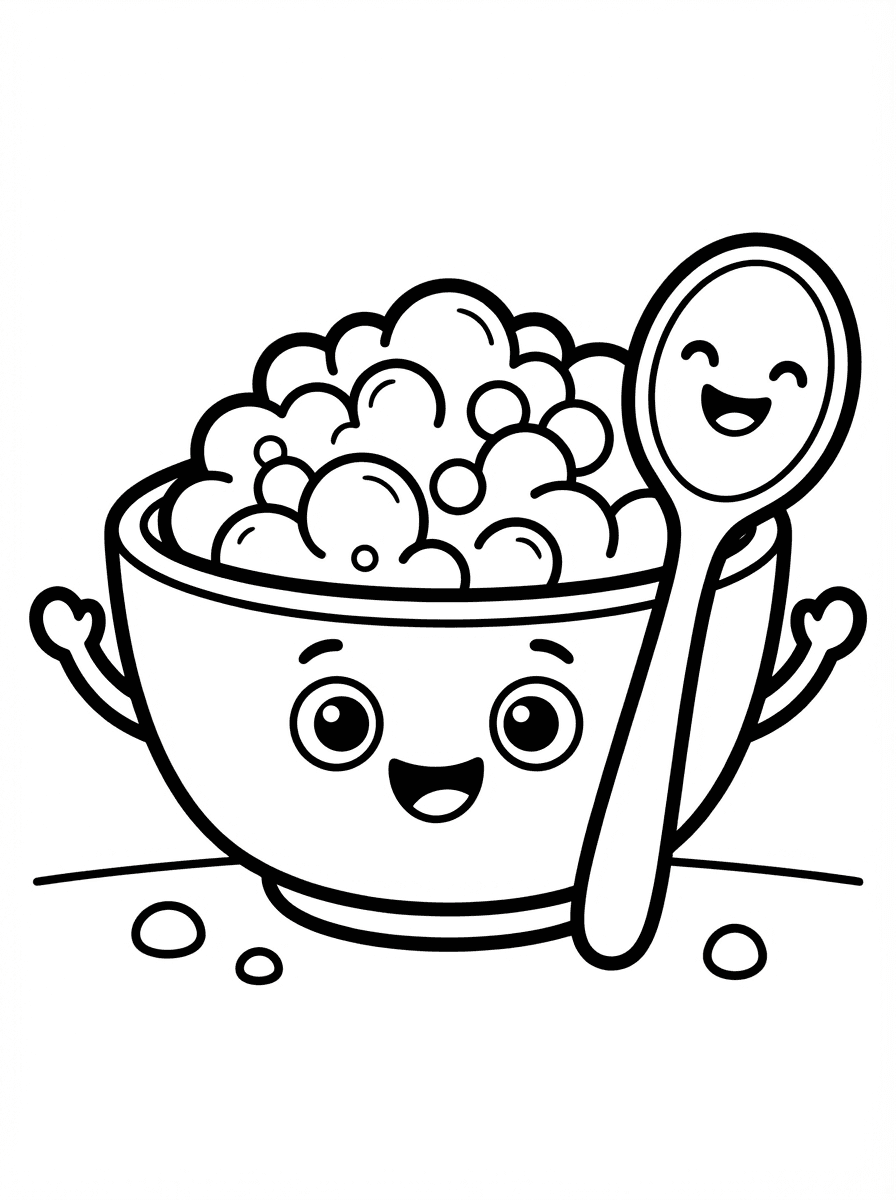
- Cottage Cheese - A friendly bowl of cottage cheese grins up from the page. A single 100g serving contains around 11-12g of protein - more than two eggs - making it one of the most efficient and budget-friendly protein sources for young children.
- Beef Steak - A happy steak character sits proudly on a plate wearing a small chef hat. Beef is one of the richest sources of iron and zinc, two minerals frequently low in children with restrictive diets and critical for healthy cognitive development and immune function.
Together, these five characters cover a wide range of textures and flavors - from the soft creaminess of cottage cheese to the hearty satisfaction of beef - giving your child gentle exposure to nutritional variety in a completely pressure-free way.
How Coloring Builds Food Curiosity in Children
For many children, food rejection is not really about taste - it is about familiarity. Young children are naturally cautious around unfamiliar foods, a protective instinct called food neophobia that peaks between the ages of two and six. The less familiar a food feels, the more threatening it can seem. The more familiar it becomes - through any kind of exposure, not just eating - the safer it starts to feel.
Research published in the journal Appetite found that children who had repeated non-food exposure to a vegetable - through picture books, play activities, and art projects - were significantly more likely to taste and accept that food at mealtimes compared to children with no prior exposure. The researchers concluded that familiarity, not pressure, is the most reliable path toward food acceptance in young children.
Coloring pages work on this same principle. When your child colors a fish, they are studying its shape, deciding what colors it should be, and spending uninterrupted positive time with the idea of fish. There is no expectation to eat anything. There is no mealtime tension. It is simply a moment of calm creativity - and that moment plants a seed of familiarity that can grow slowly into openness at the dinner table.
A simple tip: after your child finishes one of these pages, try asking light, curious questions. What colors did they give the chicken? Have they ever tasted cottage cheese? Would they want to try just a tiny piece one day? Keep the conversation playful and genuinely curious - never pressuring. The coloring activity opens the door; your gentle questions help keep it open.
Simple Ways to Introduce Each Protein Food at Home
When your child shows a spark of curiosity about one of the five protein heroes - perhaps by coloring it especially carefully or asking a question about it - here are practical, low-pressure ways to build on that interest:
- Fish: Start with mild white fish like cod baked in a light breadcrumb coating. Serving it as finger-food portions removes the intimidation of a large fillet. Letting your child help coat the fish in breadcrumbs before baking increases tasting rates dramatically - involvement in cooking is one of the most reliable exposure tools available.
- Eggs: Scrambled eggs with a small amount of mild cheese are a reliable starting point. Let your child crack the egg and stir the mixture. The sensory experience of handling an egg is itself a form of meaningful exposure, and children who help cook are far more likely to taste the finished result.
- Chicken: Thin baked strips served with a dipping sauce the child selects themselves feel far less imposing than a whole breast on a plate. Soft, moist textures succeed far more often than anything tough or chewy at the beginning. Mini meatballs are another excellent format for hesitant eaters.
- Cottage Cheese: Blend a spoonful into mashed potato or spread it on toast with a little fruit jam on top. The mild flavor and creamy texture make it one of the easiest protein foods to use as a quiet booster while your child gets comfortable with the taste on its own.
- Beef: Homemade meatballs in a tomato sauce are one of the most accepted beef formats for picky eaters. Small, soft, and served in a familiar context, they remove most of the typical barriers. Once meatballs feel normal, other beef formats become much easier to introduce.
Download Your Free Protein Coloring Pages Today
This free pack includes all five protein coloring pages for picky eaters - fish, eggs, chicken, cottage cheese, and beef - in one easy download. Print as many copies as you need. Use them at the dinner table, tuck one into a lunchbox, or pull one out just before a meal that includes one of the five featured foods to gently prime your child's curiosity before the plate arrives.
Enter your email below to get instant access. Each page prints cleanly on standard A4 or US Letter paper with no special equipment needed. Just print, hand your child a crayon, and let the slow, steady magic of familiarity begin.