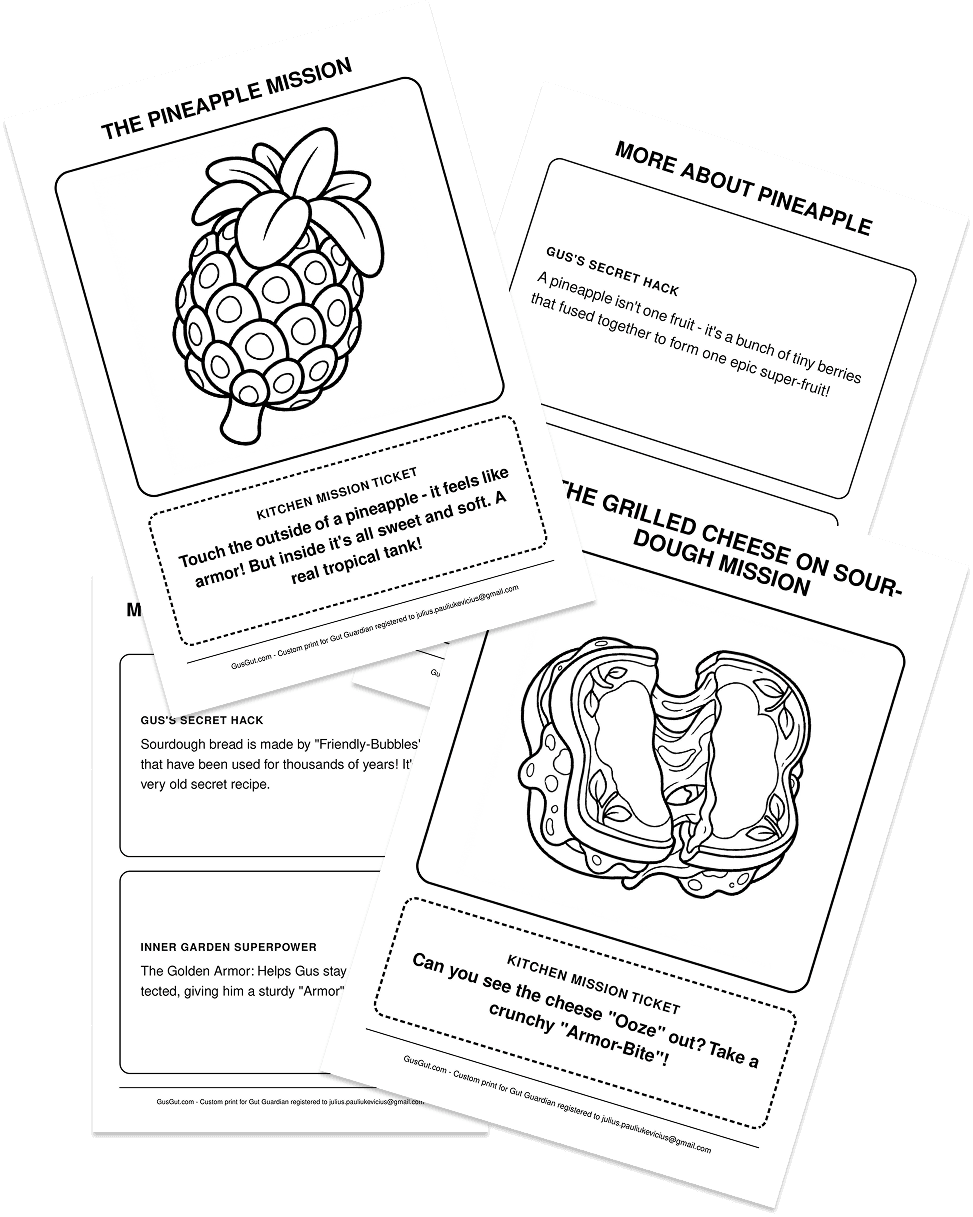
Picky Eater Food List Coloring Pages - Free Printable Pack
Why a Picky Eater Food List Starts With Color, Not Bites
Every parent of a picky eater has a mental list - the foods their child will actually eat, the ones that are currently on the banned list, and the ones that used to be fine until one Tuesday in October when everything changed. Managing a picky eater food list is genuinely one of the more stressful parts of parenting young children, and it can feel like a losing battle when new foods are met with gagging sounds and dramatic head-shaking before a fork even comes close.
The research on picky eating consistently points in one direction: repeated low-pressure exposure is the most effective path toward expanding what a child will eat. Coloring pages fit that approach perfectly. They let children spend time with foods they have refused, in a context where nobody is asking them to eat anything. The result, over time, is a quieter relationship between the child and the food on their plate.
What's Inside This Picky Eater Food List Coloring Pack
Five scenes designed to make food exploration feel safe, playful, and even exciting:
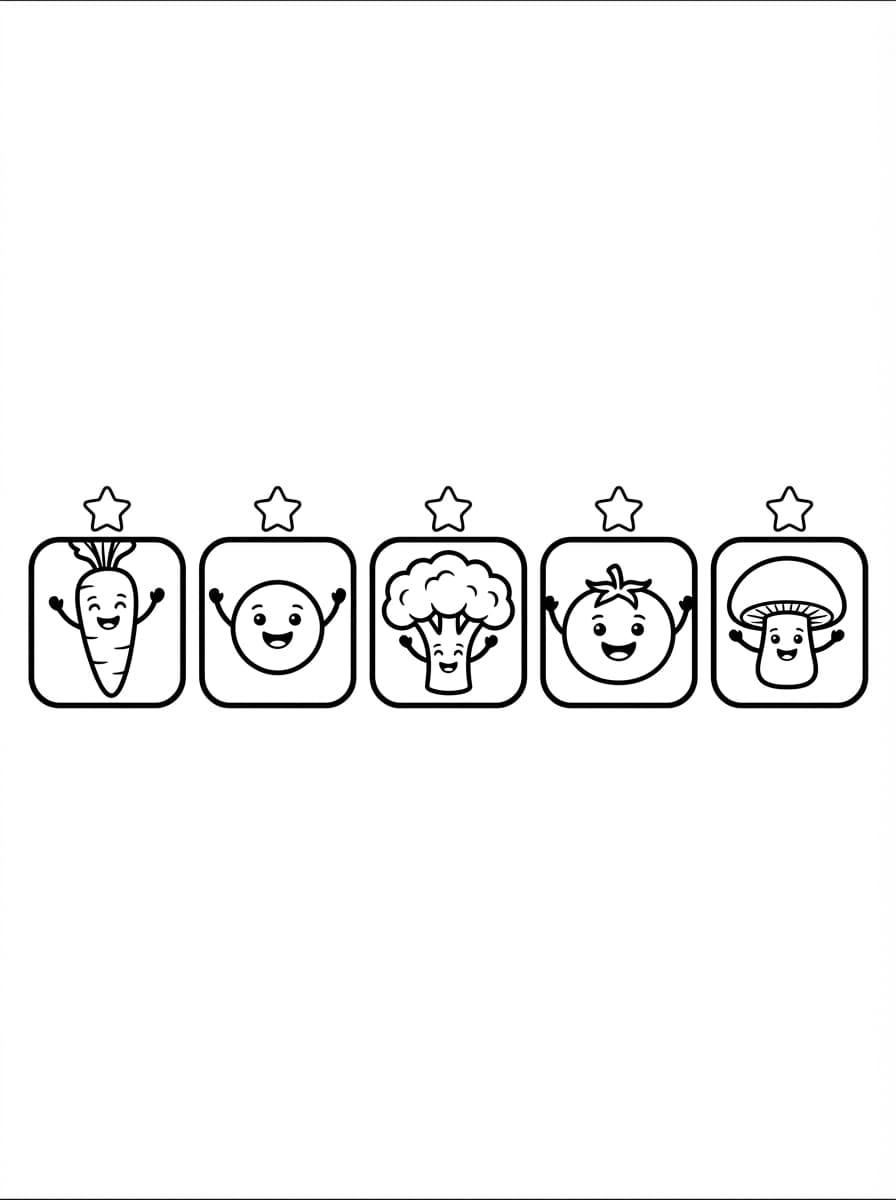
- The Try-It Chart - five cartoon food characters each standing in their own little box: a carrot, a pea, a broccoli, a tomato, and a mushroom, all with welcoming smiles and a small empty star above each one. A gentle, gamified nudge toward trying new things.
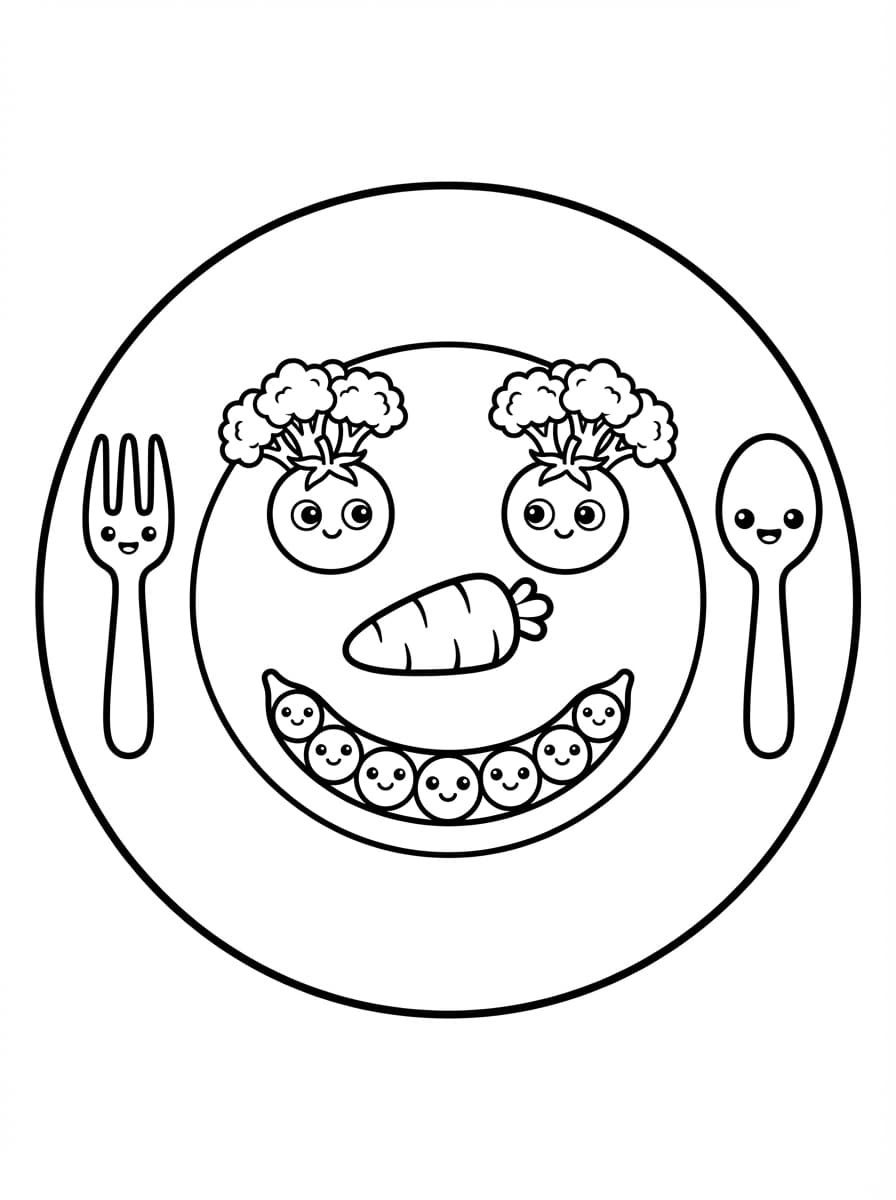
- The Veggie Smiley Plate - a plate with vegetables arranged as a big friendly face: cherry tomato eyes, a carrot nose, a pea-character smile, and broccoli eyebrows. Surprising and fun - a reminder that vegetables can be genuinely funny.
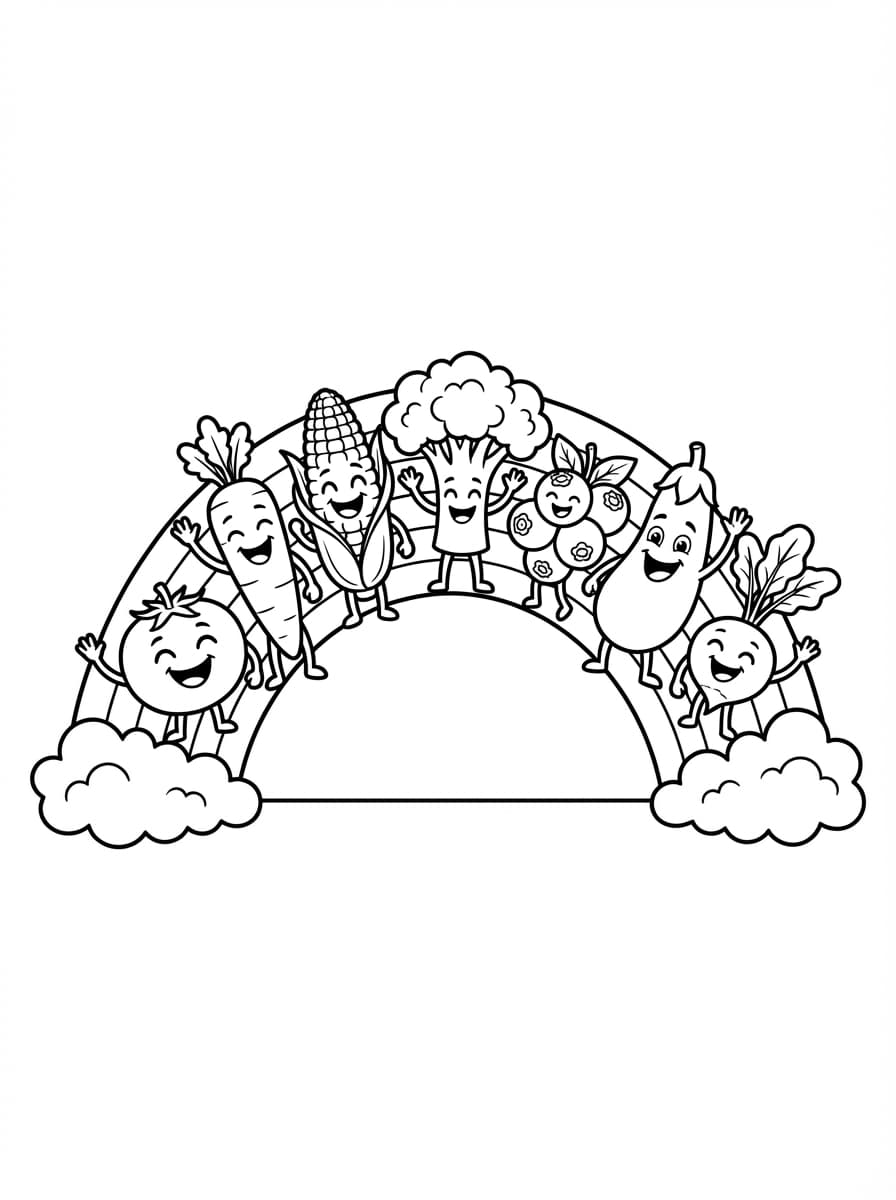
- The Veggie Rainbow - seven vegetable characters arranged in a rainbow arc, each one representing a different color of the spectrum. A visually joyful way to introduce the idea of eating across the color spectrum.
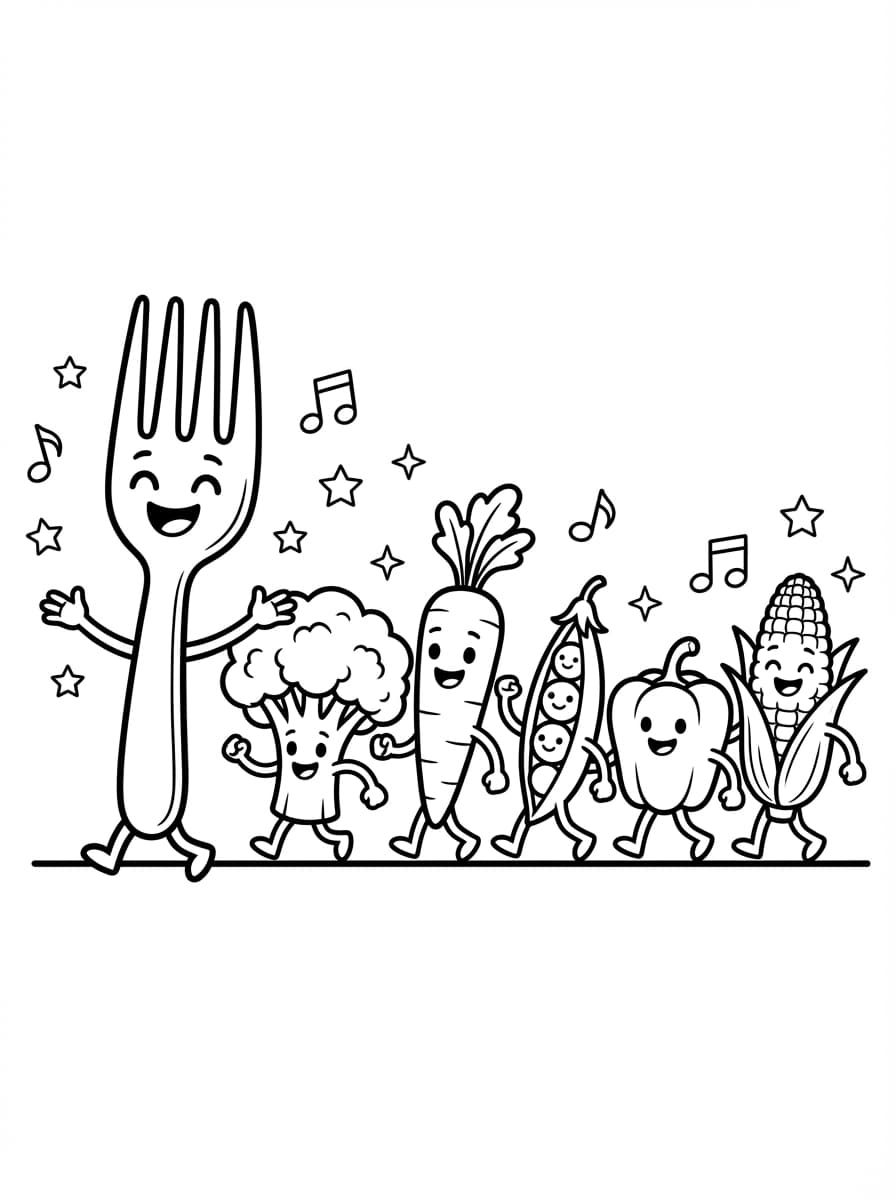
- The Brave Fork Parade - a cheerful fork character leading a marching parade of broccoli, carrot, pea pod, bell pepper, and corn. Food exploration framed as an adventure worth joining.
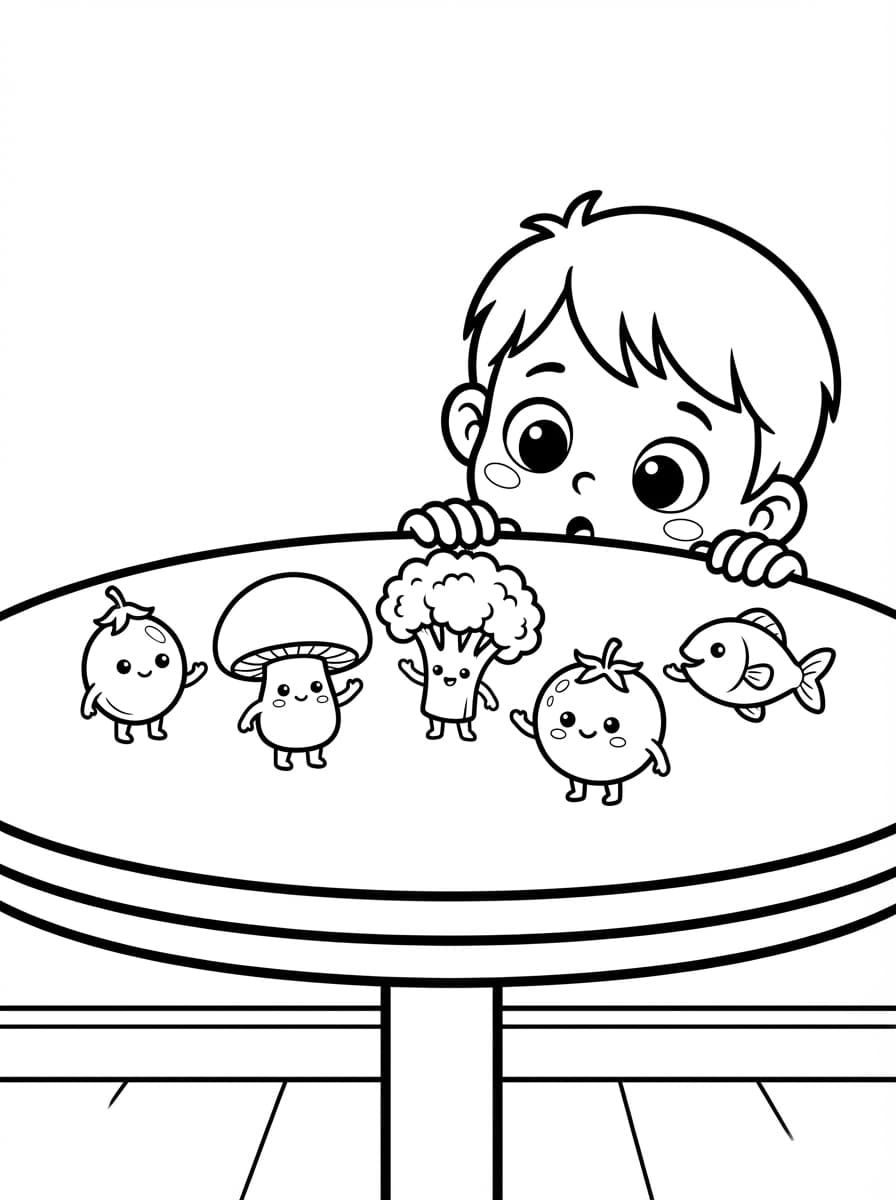
- The Curious Child - a small child peeking wide-eyed over the edge of a table at five tiny food characters who are waving back with warm, encouraging expressions. Exactly the kind of quiet curiosity that precedes a child being willing to try something new.
How to Build Your Child's Picky Eater Food List Over Time
Every child's picky eater food list is different. One child will eat every shade of orange food but refuse anything green. Another will eat broccoli but not peas. These individual patterns are not random - they often relate to texture, color, shape, smell, or an early negative experience with a specific food. The key to expanding the list is not confrontation but accumulated positive experiences.
These coloring pages give you a visual tool for tracking that progress. The try-it chart on page one can function as a gentle record of encounters: color the character when your child first meets the food, note when they touch or smell it without refusing, and celebrate when they take their first taste - even if they spit it out. Progress is not linear, but making it visible in a non-pressured way helps both parent and child notice how far they have come.
Over weeks and months, the picky eater food list that once felt fixed begins to shift. Not because of pressure, but because of familiarity, agency, and the quiet effect of spending time with something until it no longer feels threatening.
The Science Behind Picky Eating and Food Exposure
Food neophobia - the fear of new foods - is a normal developmental stage that affects the vast majority of children between ages 2 and 6. At its core, it is not a parenting failure or a personality flaw. It is an evolutionary response that once protected young children from eating unfamiliar and potentially dangerous plants before caregivers could check them.
A study in the Journal of the Academy of Nutrition and Dietetics found that children who were regularly exposed to images and play activities involving vegetables they had previously refused were significantly more likely to taste those vegetables - compared to children who received only nutritional instruction. Play-based exposure consistently outperformed direct teaching.
This is why a picky eater food list coloring pack works: it does not try to convince or pressure a child into eating. It simply puts food in front of them as a coloring character, a parade participant, a chart member - and lets positive associations form quietly over time. The child who spends twenty minutes carefully coloring a mushroom is a very different child from the one who encounters that same mushroom on their plate for the first time at dinner.
Tips for Using These Pages With a Fussy Eater
- Introduce one food character at a time. If your child is particularly wary of mushrooms, spend a whole session just on the mushroom in the try-it chart. Give it a name. Let your child decide its personality. Familiarity is built in small steps.
- Connect the page to the plate the same day. If your child colors the tomato character, try having a cherry tomato somewhere at that meal - even just on the side of the plate with no expectation. The connection between the colored page and the real food is powerful.
- Use the rainbow page to explore color eating. "We colored the orange carrot today - what else is orange?" Then try to have one orange food at the next meal. Tying food to color is one of the most effective engagement tools for this age group.
- Let them lead with the try-it chart. The small star spaces above each character are designed to be used over time - no timeline, no pressure, just a gentle record of bravery that your child can revisit and feel proud of.
- Never use coloring as a reward for eating. Coloring should always come before eating, not after it as a prize. The moment it becomes conditional, the positive association dissolves and it becomes another pressure point.
Download Your Free Picky Eater Food List Coloring Pages
All five pages are free and ready to print as many times as you need. Enter your email below and the PDF will be in your inbox in seconds.
No subscriptions, no pressure - just five friendly food characters waiting to be colored by the brave little eater in your house.