Free Carrot Facts and Coloring Pages for Kids - Printable PDF
Why Kids Love Learning About Carrots
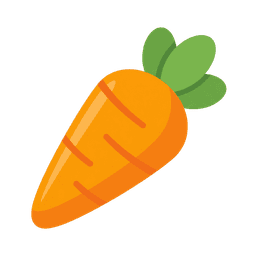
Carrots have a natural kid-appeal that few other vegetables can match. They are bright orange, satisfyingly crunchy, and come with a built-in character connection - bunnies love them. For young children, carrot facts and coloring pages for kids turn this root vegetable into an exciting food adventure. The long triangular shape with the fluffy green top makes carrots one of the most visually recognizable and satisfying vegetables for young artists to color.
Food education matters deeply in the early years. When children color, trace, and play with food concepts before they ever sit down at the table, something remarkable happens - they build curiosity instead of fear. Carrots are often one of the first vegetables that children accept because of their natural sweetness and satisfying crunch. An activity pack builds on that existing openness.
Fun Carrot Facts Every Kid Should Know
Carrots have one of the most colorful histories in the vegetable kingdom. These carrot facts and coloring pages for kids reveal surprising truths about a vegetable most children think they already know. Here are four fun carrot facts:
- Carrots were not always orange - the original carrots were purple, white, and yellow. Dutch farmers bred orange carrots in the 1600s, and that color became the standard we know today.
- Carrots are 88% water - which is why they are so crunchy and refreshing when you bite into them raw.
- Carrots really do help your eyesight - they are packed with beta-carotene, which your body turns into vitamin A. Vitamin A is essential for good vision, especially at night.
- The longest carrot ever grown was over 20 feet long - taller than a giraffe. Most carrots, of course, are much smaller and perfect for little hands.
What's Inside This Free Carrot Printable Pack
This free downloadable activity set includes five printable pages, each designed to teach children about carrots in a different way. Carrot facts and coloring pages for kids work best when they engage multiple senses and learning styles. Every page in this pack works as a standalone activity, but together they create a complete carrot exploration experience for preschoolers and kindergarteners.
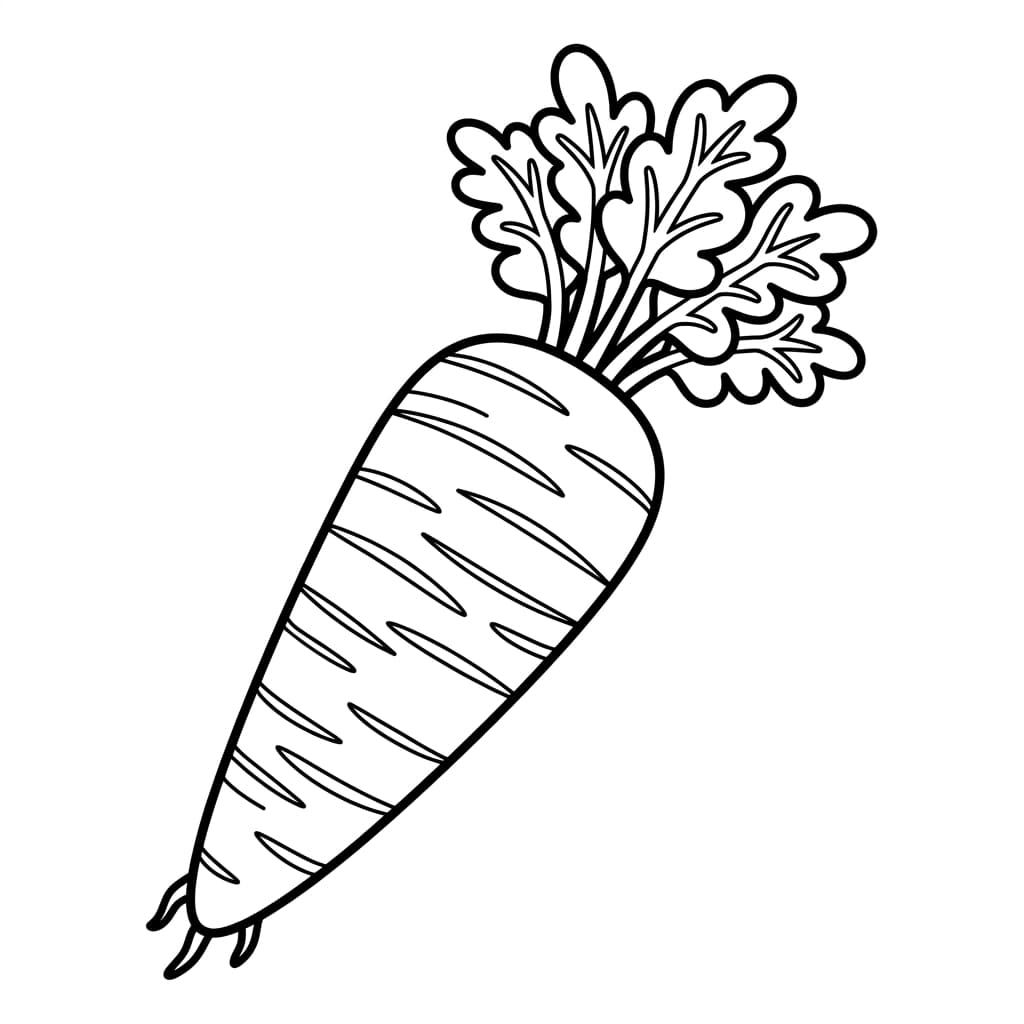
- Page 1 - Meet the Carrot: A big, bold close-up of a whole carrot with its long triangular shape, horizontal lines along the body, and leafy green top. Your child can color the carrot bright orange and the top bright green.
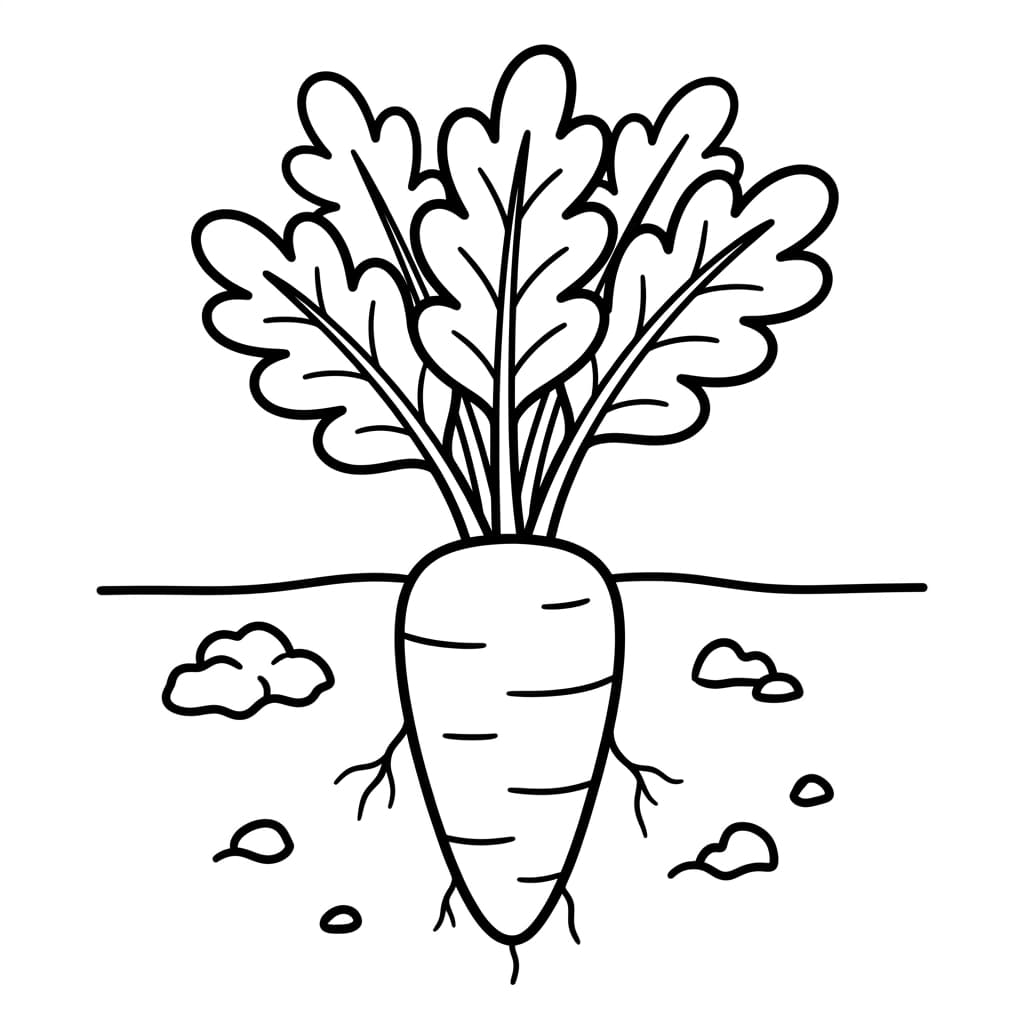
- Page 2 - Where Carrots Come From: A carrot growing underground with its orange body beneath the soil line and its leafy green tops poking out above. This page introduces the concept of root vegetables and how some foods grow hidden in the ground.
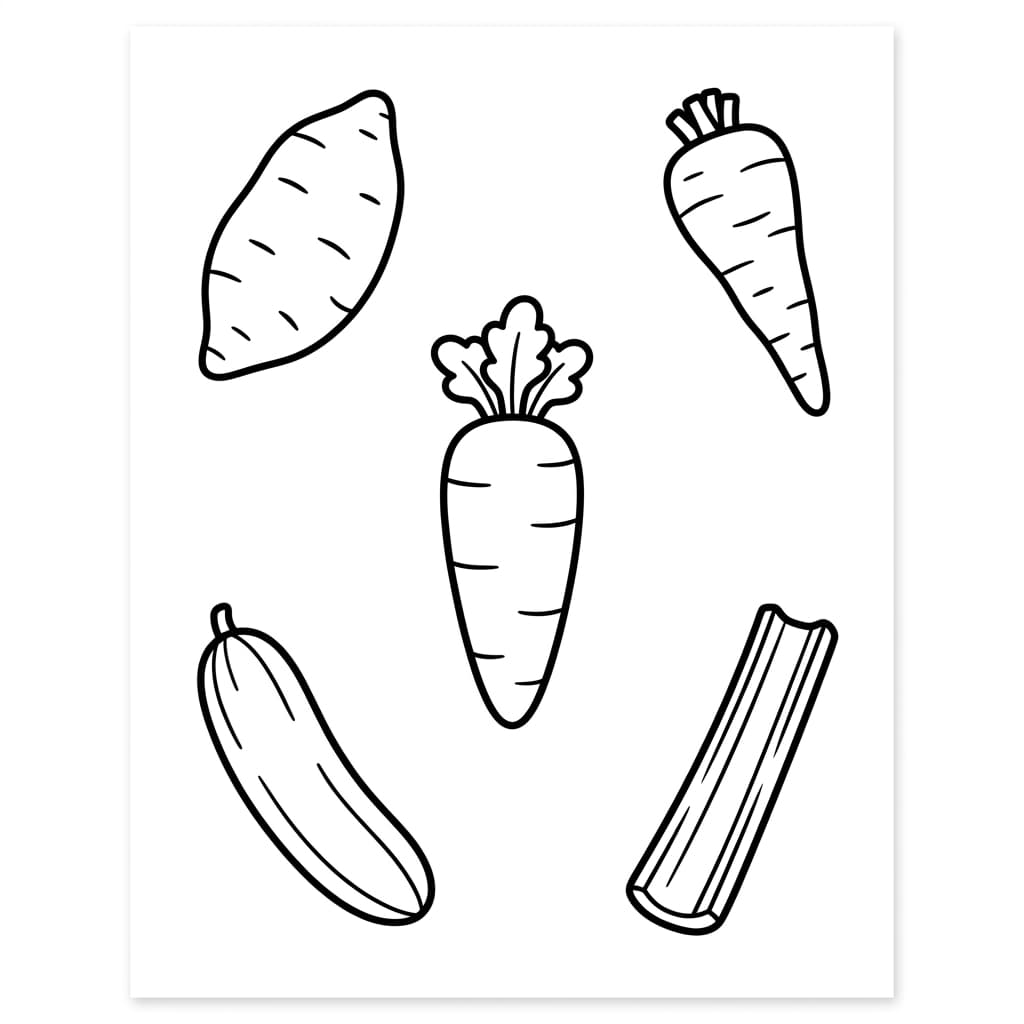
- Page 3 - Spot the Carrot: A find-and-color activity where children pick out the carrot from among similar-looking items like a sweet potato, parsnip, cucumber, and celery. Only the carrot gets colored.
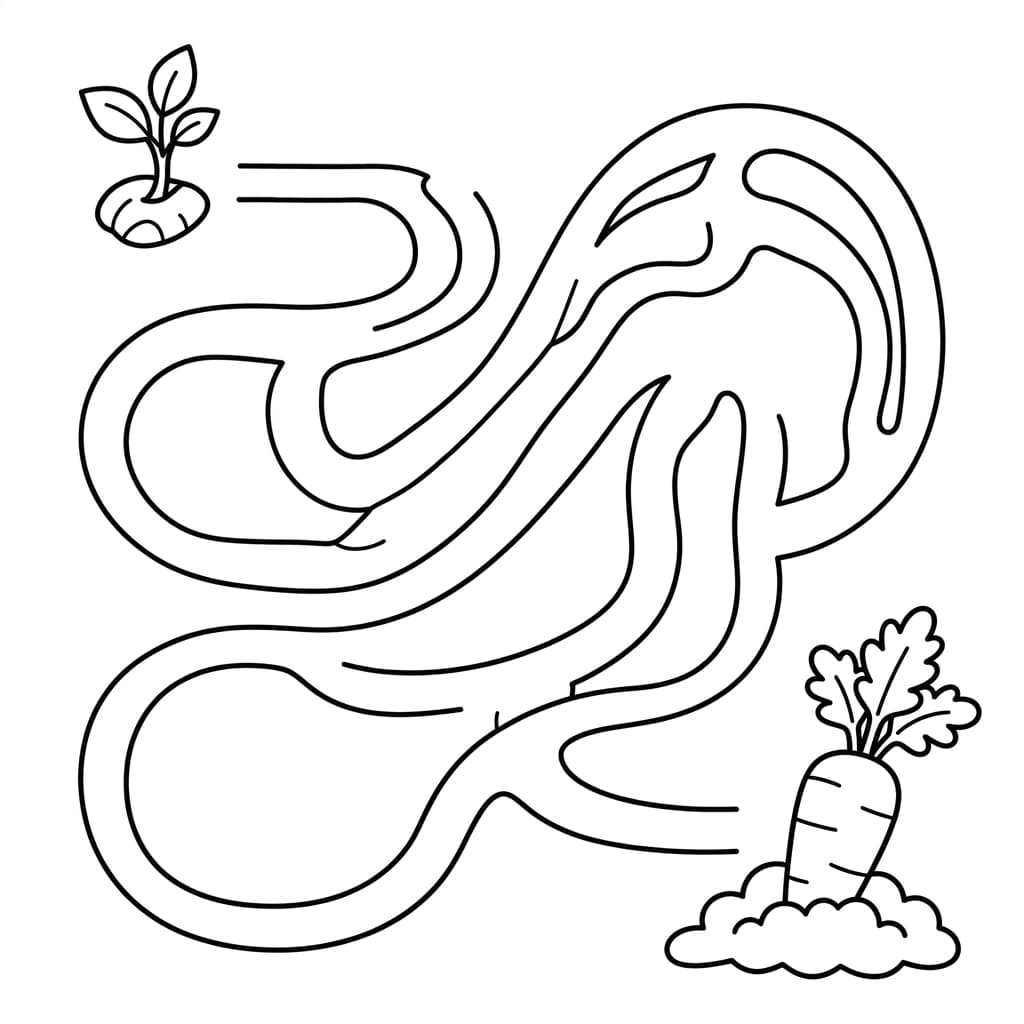
- Page 4 - Carrot Maze: A simple path-tracing maze from a tiny seed to a big carrot pulled from the ground. With just a few gentle turns, it builds pencil control and problem-solving confidence.
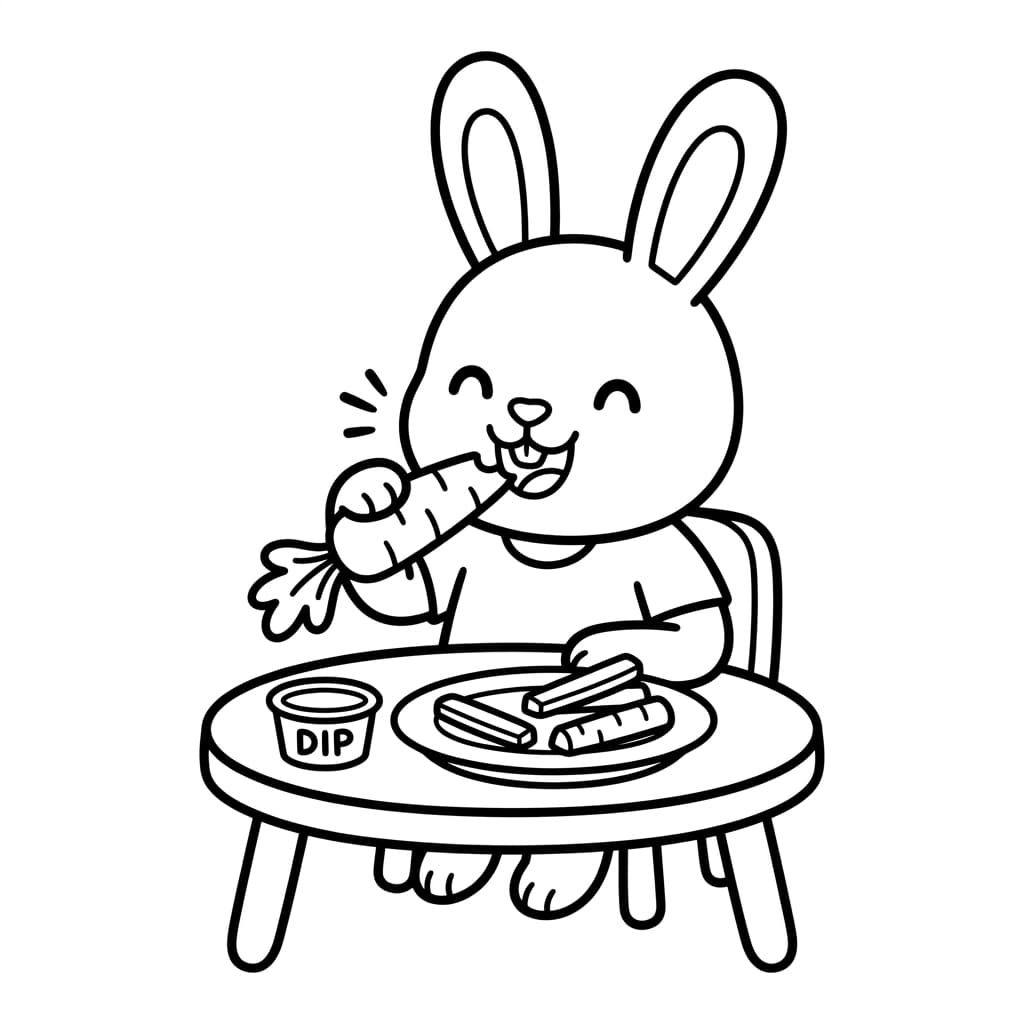
- Page 5 - Enjoy Your Carrot: A carrot in a lunchbox with a small dip cup. This page normalizes carrots as a friendly, everyday snack and sets a positive expectation around mealtime.
How Food Activities Help Picky Eaters Try New Things
If you have ever watched a child refuse a food they have never even tasted, you are not alone. Food neophobia - the fear of new foods - is a completely normal developmental phase that peaks between ages 2 and 6. The good news is that carrot facts and coloring pages for kids and similar food-based activities are one of the most effective tools parents and teachers have for working through it.
Children need repeated, pressure-free exposure to a food before they feel safe enough to taste it. Coloring a carrot, tracing a path to a carrot, and spotting a carrot among other vegetables all count as positive exposures. Unlike the high-stakes environment of the dinner table, a coloring activity has no expectations attached.
"Research shows that children who engage in sensory food play - including coloring, touching, and learning about foods - are significantly more willing to taste unfamiliar foods. Repeated, pressure-free exposure builds familiarity, and familiarity builds bravery at the table."
A carrot activity pack gives you five different ways to create positive associations - without anyone having to take a single bite. That is the quiet power of play-based food education.
5 Ways to Use This Carrot Printable at Home
These carrot facts and coloring pages for kids are designed to be flexible. Here are five simple ways to use them:
- Pair it with snack time - serve carrot sticks with a little dip alongside the coloring activity. The connection between the paper carrot and the real one builds familiarity.
- Make it a scavenger hunt - visit the produce section and let your child find the carrots. Point out the different colors - orange, purple, and white if available.
- Create a food journal page - after coloring, add a simple "taste test" section. Draw a smiley face next to "Today I tried carrot" to document the food adventure.
- Use it in the classroom - perfect for nutrition units, garden lessons, or letter C week. The maze and spot-the-carrot pages work well for independent center activities.
- Build a collection - collect printable packs for different vegetables and create a "Veggie Explorer" book that grows with your child's comfort zone.
Download Your Free Carrot Facts and Coloring Pages
Ready to help your little one discover the wonderful world of carrots? Carrot facts and coloring pages for kids from GusGut are available as a single PDF download with all five pages ready to print. Just click download, print, and watch the carrot exploration begin.