Free Apple Facts and Coloring Pages for Kids - Printable PDF
Why Kids Love Learning About Apples
There is something magical about apples. They are shiny, round, come in bright reds and greens, and make that satisfying crunch when you bite into them. For young children, apple facts and coloring pages for kids turn this everyday fruit into an exciting adventure. Apples are one of the first foods most children recognize - their simple, friendly shape and sweet taste make them an instant favorite. When you combine that natural appeal with hands-on activities, you create a powerful learning opportunity that sticks.
Food education matters deeply in the early years. When children color, trace, and play with food concepts before they ever sit down at the table, something remarkable happens - they build curiosity instead of fear. Picky eating often starts not with taste, but with unfamiliarity. An apple-themed activity pack bridges that gap beautifully, giving kids a pressure-free way to get to know a healthy food they will encounter again and again. Unlike sitting at the dinner table facing an unfamiliar plate, coloring a friendly apple feels safe, fun, and entirely on their terms.
Fun Apple Facts Every Kid Should Know
Did you know there is a whole world of surprising apple trivia? These apple facts and coloring pages for kids come alive when children learn something new about the foods they see every day. Sharing fascinating facts while they color builds vocabulary, background knowledge, and a genuine interest in where food comes from. Here are four genuinely fun apple facts to share with your little learner:
- Apples float in water because they are 25% air. That is why bobbing for apples works - they pop right up to the surface. Try this one at home with a big bowl of water.
- There are over 7,500 varieties of apples grown around the world. From tiny crabapples to giant Honeycrisps, apples come in every shade of red, green, and yellow. If you ate a different variety every day, it would take over 20 years to try them all.
- An apple tree can live for more than 100 years and keep producing fruit the whole time. Some orchards have trees planted by great-great-grandparents that still bear apples every autumn.
- It takes about 36 apples to make one gallon of apple cider. That is a lot of crunching - and a great counting activity for young math learners.
What's Inside This Free Apple Printable Pack
This free downloadable activity set includes five printable pages, each designed to teach children about apples in a different way. Apple facts and coloring pages for kids work best when they engage multiple senses and learning styles. Every page in this pack works as a standalone activity, but together they create a complete apple exploration experience for preschoolers and kindergarteners. Each page prints on standard letter-size paper and is designed with bold, thick outlines perfect for crayons, markers, or colored pencils.
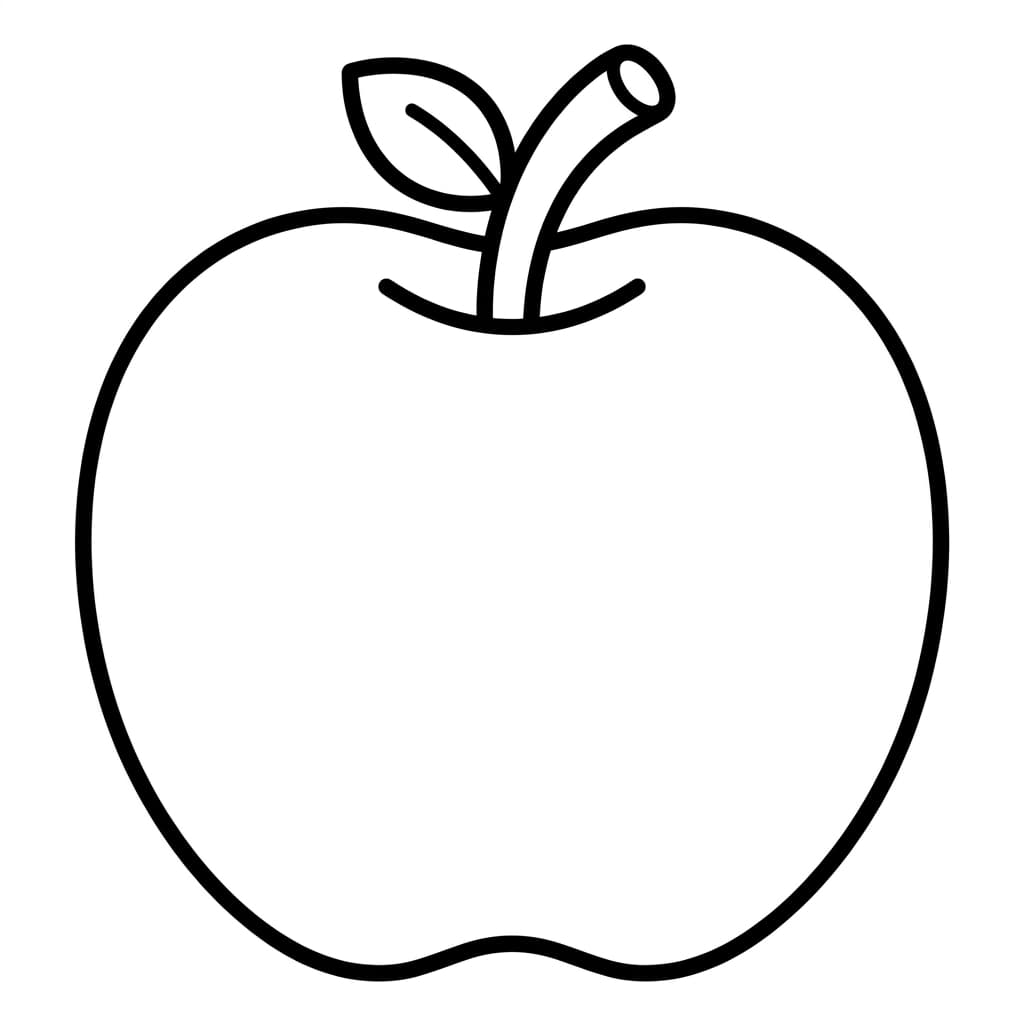
- Page 1 - Meet the Apple: A big, bold close-up of a whole apple with its leaf and stem. Your child can color the apple any shade they like - red, green, yellow, or even a rainbow apple. This page builds visual recognition and gives young artists a satisfying, large-scale coloring project that fills most of the page.
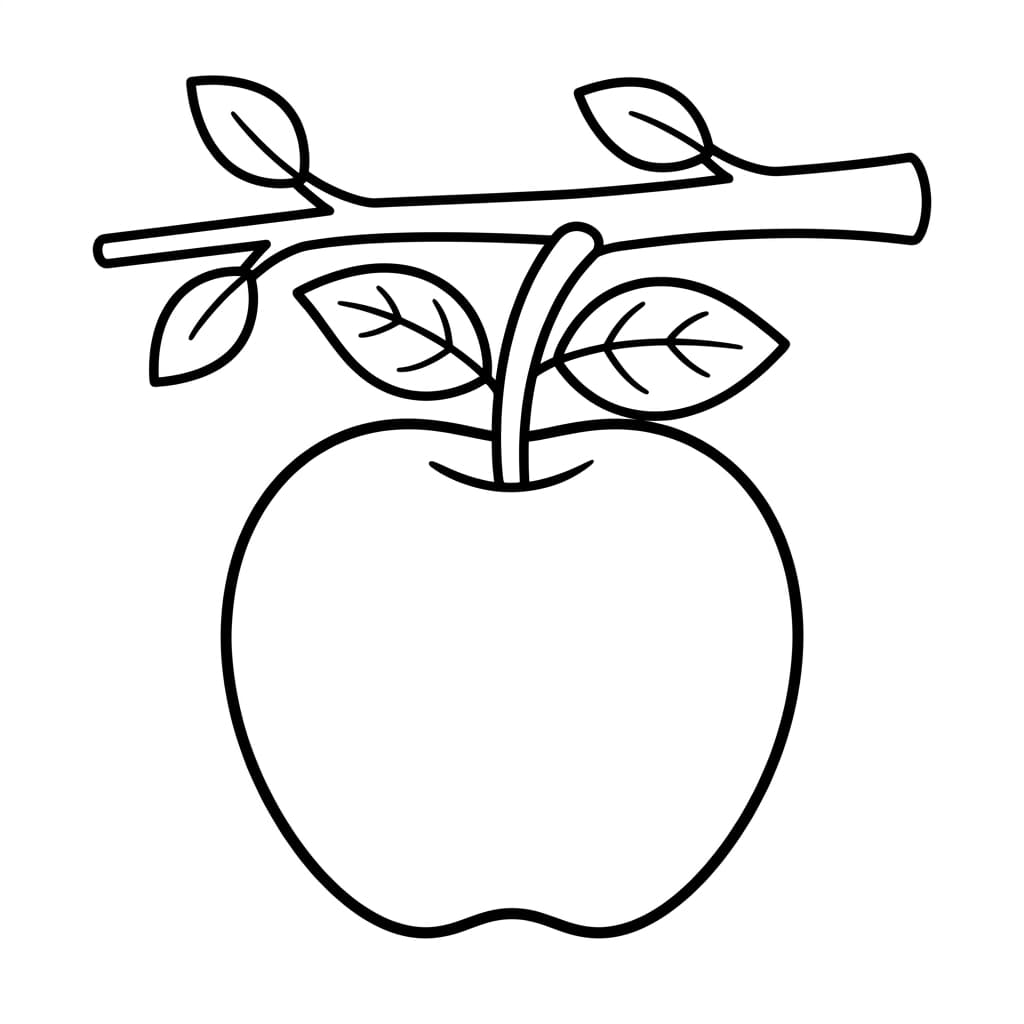
- Page 2 - Where Apples Come From: An apple hanging from a tree branch with a few simple leaves. This page introduces the concept of food origins - that apples grow on trees, not on grocery store shelves. It is a gentle first lesson in farm-to-table thinking that plants seeds of curiosity about nature.
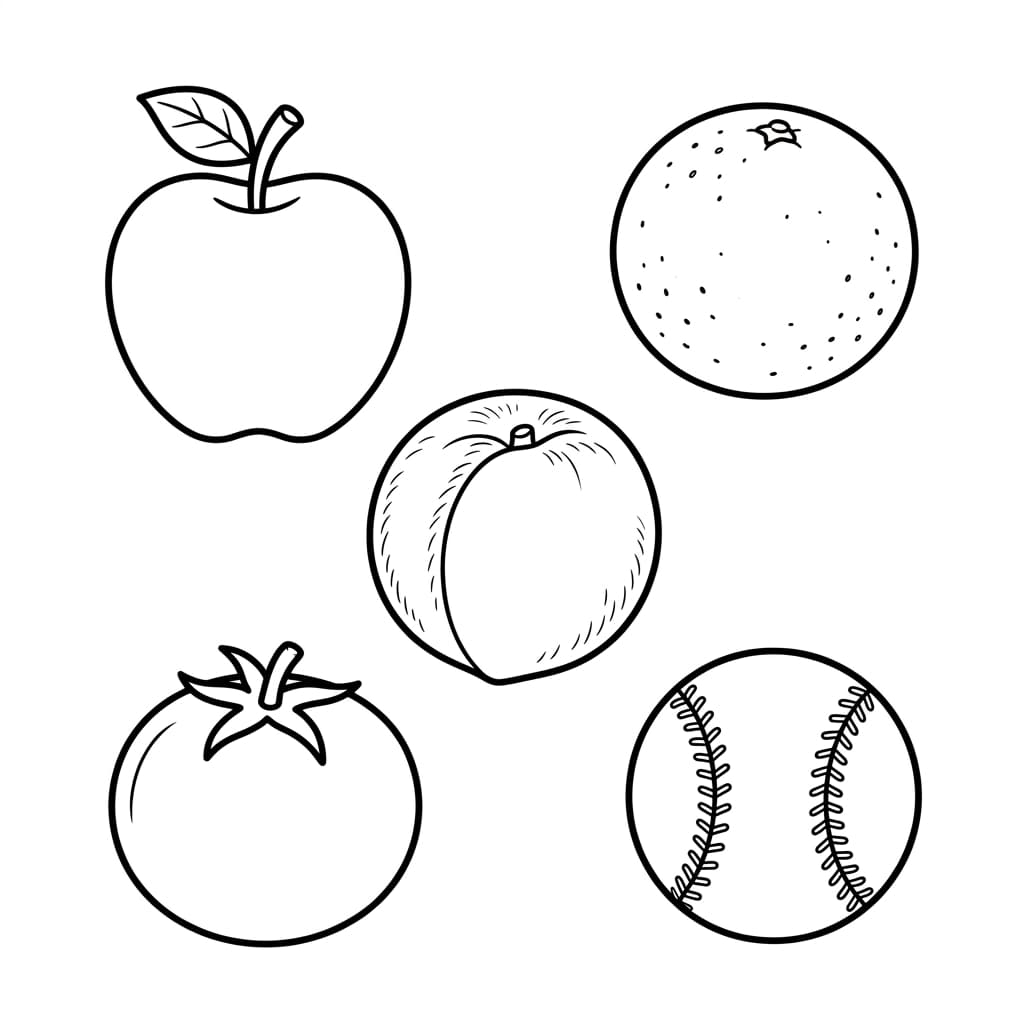
- Page 3 - Spot the Apple: A find-and-color activity where children pick out the apple from among other round objects like an orange, a peach, and a tomato. Only the apple gets colored. This builds visual discrimination skills, attention to detail, and the ability to identify subtle differences between similar objects.
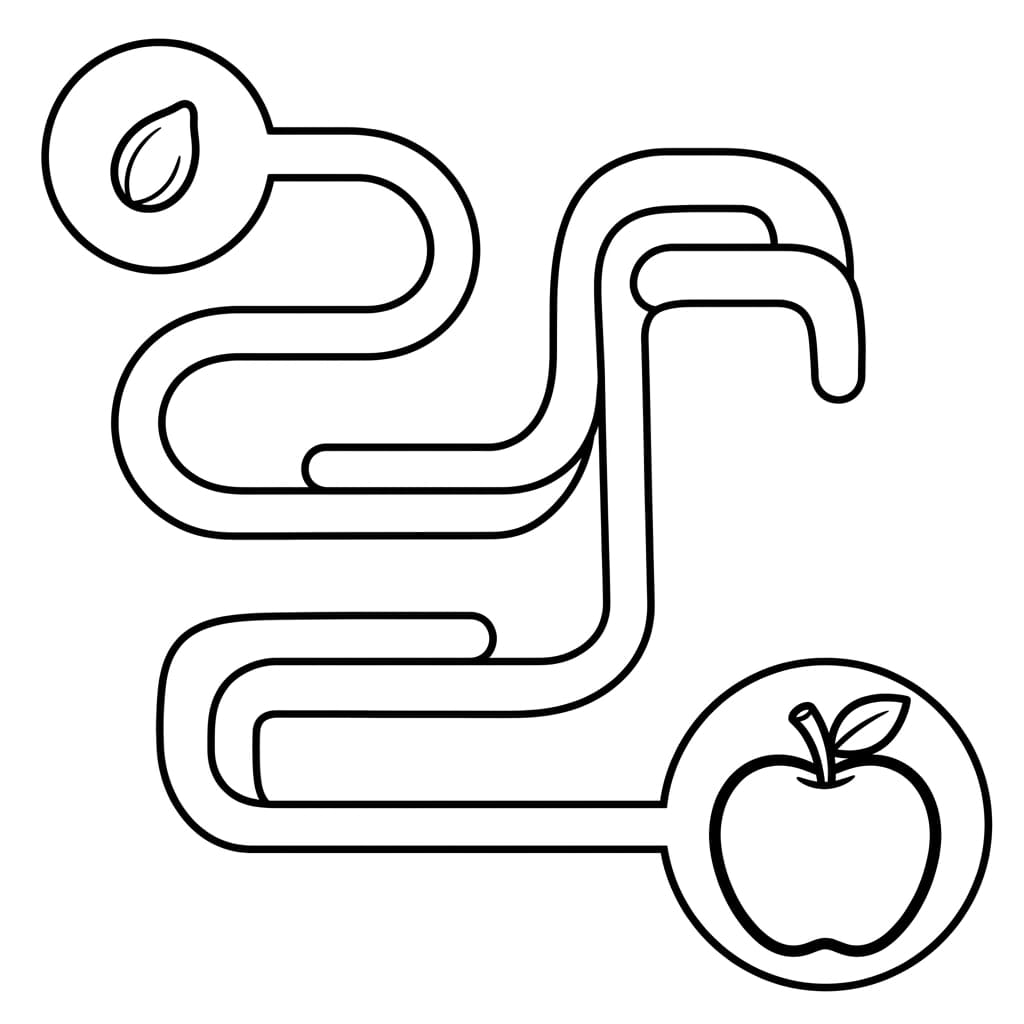
- Page 4 - Apple Maze: A simple path-tracing maze from a tiny seed to a big, ripe apple. With just a few gentle turns, it is perfectly calibrated for small hands still learning pencil control. Maze activities build fine motor skills, hand-eye coordination, and problem-solving confidence.
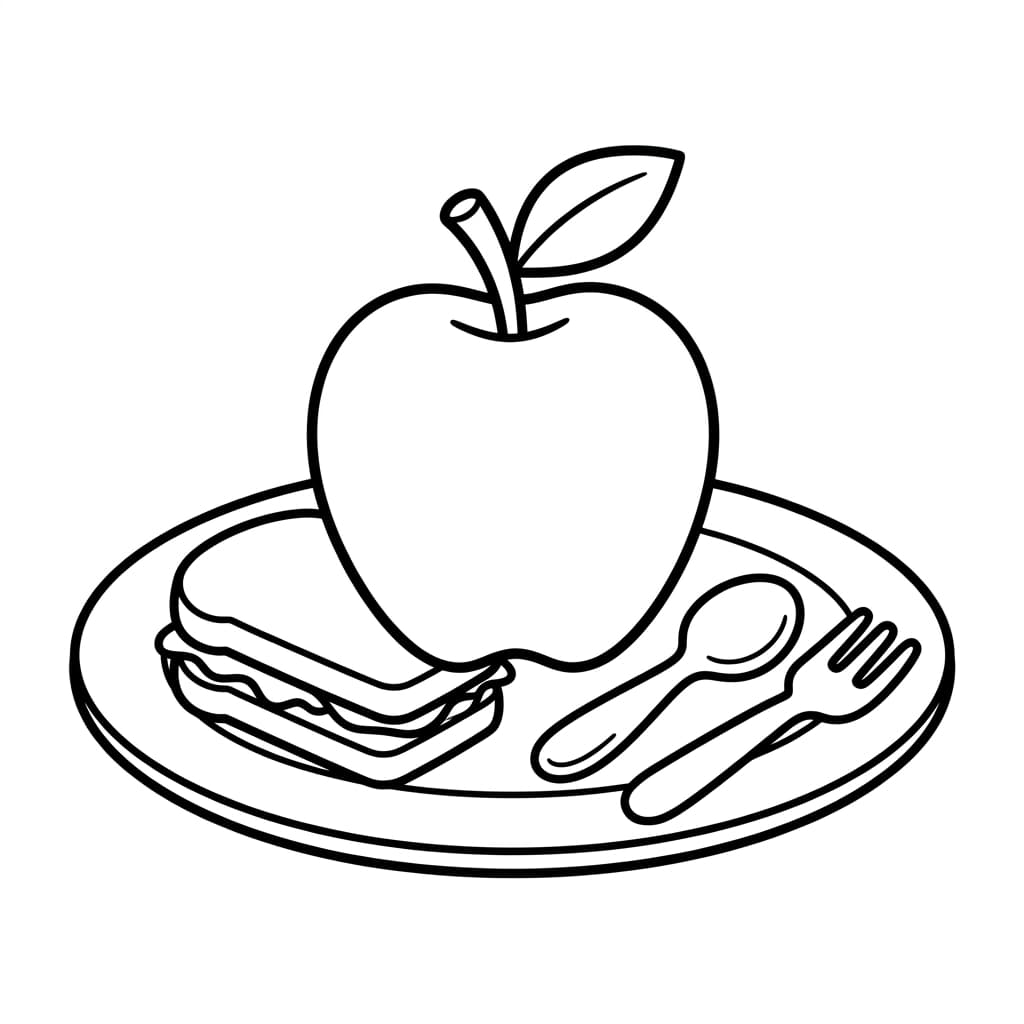
- Page 5 - Enjoy Your Apple: An apple sitting in a lunchbox or on a cheerful plate, ready to be eaten. This page normalizes apples as a friendly, everyday food and sets a positive, no-pressure expectation around mealtime. It closes the activity set with a warm invitation.
How Food Activities Help Picky Eaters Try New Things
If you have ever watched a child refuse a food they have never even tasted, you are not alone. Food neophobia - the fear of new foods - is a completely normal developmental phase that peaks between ages 2 and 6. The good news is that apple facts and coloring pages for kids and similar food-based activities are one of the most effective tools parents and teachers have for working through it. Research consistently shows that children need repeated, pressure-free exposure to a food before they feel safe enough to taste it.
The science behind this is both simple and encouraging. Researchers call it the "mere exposure effect" - the more familiar something becomes, the more positively we feel about it. Coloring an apple, tracing a path to an apple, spotting an apple among other objects, and imagining eating an apple all count as positive exposures. Each one chips away at the unfamiliarity that drives food refusal. Unlike the high-stakes environment of the dinner table, a coloring activity has no expectations attached. No one has to taste anything. No one has to clean their plate. It is pure, joyful exploration.
"Research shows that children who engage in sensory food play - including coloring, touching, and learning about foods - are significantly more willing to taste unfamiliar foods. Repeated, pressure-free exposure builds familiarity, and familiarity builds bravery at the table."
An apple activity pack gives you five different ways to create positive associations with a healthy food - without anyone having to take a single bite. That is the quiet power of play-based food education. Over time, the apple transforms from something unfamiliar into something friendly, and that shift in mindset often carries right over to the dinner plate.
5 Ways to Use This Apple Printable at Home
These apple facts and coloring pages for kids are designed to be flexible and easy to fit into your family's routine. Here are five simple ways to weave apple-themed learning into your week:
- Pair it with snack time - slice up a real apple and serve it alongside the coloring activity. No pressure to eat, just a friendly apple sitting nearby while they color one. The connection between the paper apple and the real one is subtle but powerful.
- Make it a scavenger hunt - visit the produce section of your grocery store after completing the activity and let your child find the apples themselves. Point out the different colors and sizes. Let them pick one special apple to take home.
- Create a food journal page - after coloring, add a simple "taste test" section. Draw a smiley face, a straight face, or a thinking face next to the words "Today I tried apple." This turns food exploration into a documented adventure.
- Use it in the classroom - perfect for nutrition units, farm-to-table lessons, letter A week, or healthy eating celebrations. The maze and spot-the-apple pages work especially well as independent center activities during small group rotations.
- Build a collection - collect printable packs for different foods and staple them together into a "Food Explorer" book. Kids love watching their collection grow, and each new food added expands their comfort zone bit by bit.
Download Your Free Apple Facts and Coloring Pages
Ready to help your little one discover the wonderful world of apples? Apple facts and coloring pages for kids from GusGut are available as a single PDF download with all five pages ready to print on standard letter-size paper. Just click download, print, and watch the apple exploration begin. No prep work, no complicated setup - just pure, playful food education that works. Print as many copies as you need for your family, classroom, or playgroup. The more exposure your child gets to apples in positive, playful contexts, the more comfortable they will feel when apples show up on their plate.